"Grade A" appears on almost every industrial listing in India, but there is no single official definition. For a manufacturer, the label matters less than a handful of measurable things. This guide sets out what separates a Grade A building from a Grade B one, and what that difference costs or saves over a lease.
The main differences
| Grade A | Grade B | |
|---|---|---|
| Structure | Pre-engineered steel building | Often conventional or older steel sheds |
| Clear height | 11 to 12 m or more | Typically 6 to 9 m |
| Floor | FM2 flatness, 5 tonnes per sq m or more | Lower load rating, flatness not measured |
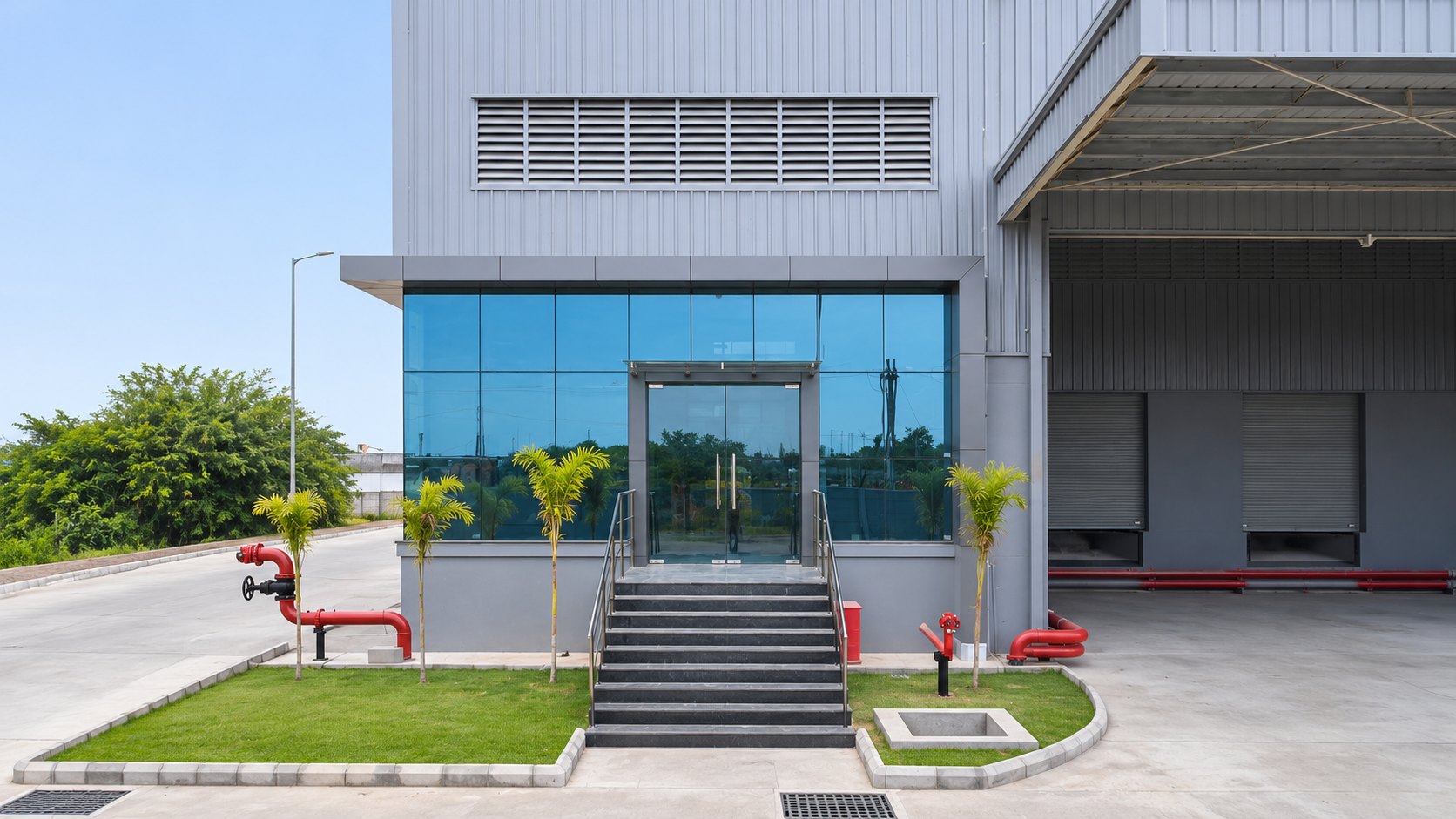
| Fire safety | Sprinklers and hydrants to National Building Code norms | Partial or basic systems |
| Docks | Dock-height bays with levellers | Ground-level loading |
| Power | Sanctioned load in place, generator-ready | Varies, often limited |
| Light and ventilation | Skylights and designed ventilation | Limited |
| Approvals | Complete and current | Should be checked carefully |
In Chennai, about 78% of warehouse and industrial stock is now Grade A, the highest share among India's main markets, according to Knight Frank.
What the difference means in practice
Floor. A flat floor with a known load rating lets you place machines and racking without reinforcement. A weak or uneven floor leads to cracks, machine alignment problems and repairs during the lease.
Height. Extra clear height gives room for cranes, mezzanines and high racking. You get more use out of every square foot you pay for.
Fire safety. A compliant system protects people and stock. It also affects insurance, and many large customers audit their suppliers' premises.
Power. Sanctioned load that is already in place saves months. Applying for more load after you move in is slow. Our guide to factory power in Tamil Nadu explains what to ask.
Working conditions. Daylight and ventilation reduce lighting and cooling costs and make the floor a better place to work.
Is Grade A worth the higher rent?
Grade A rents are higher. Against that, weigh what you avoid: floor repairs, retrofitted fire systems, power upgrades, production lost to heat, and the delay if approvals are incomplete. For a manufacturer on a lease of nine years or more, these usually outweigh the rent difference. For short-term storage of light goods, Grade B can be good enough.
How to verify a Grade A claim
Ask for evidence, not adjectives:
- The floor flatness and load test report
- The sanctioned power load, in writing
- The fire system design basis and Fire NOC
- The planning approval and pollution control consents
- A site visit to check docks, truck circulation and build quality
How Aruna Industrial Parks builds
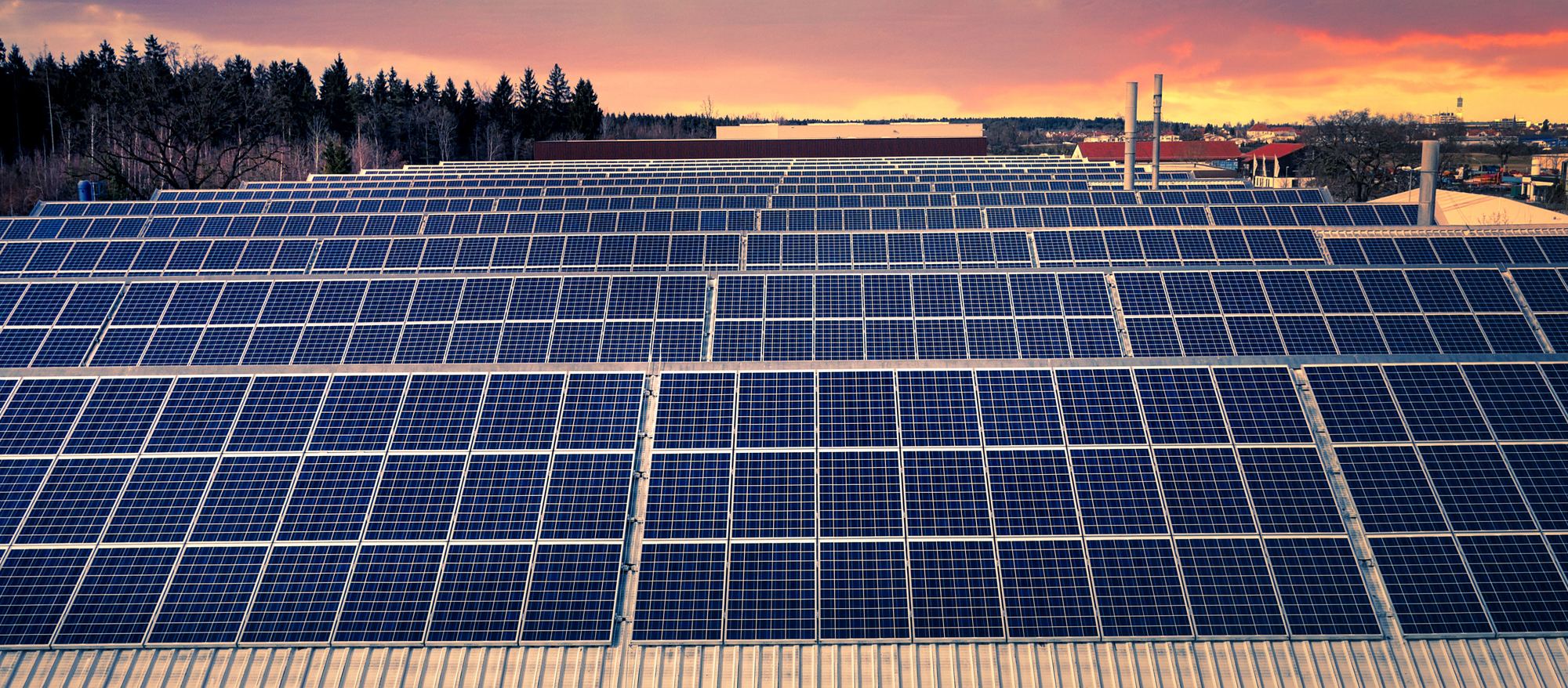
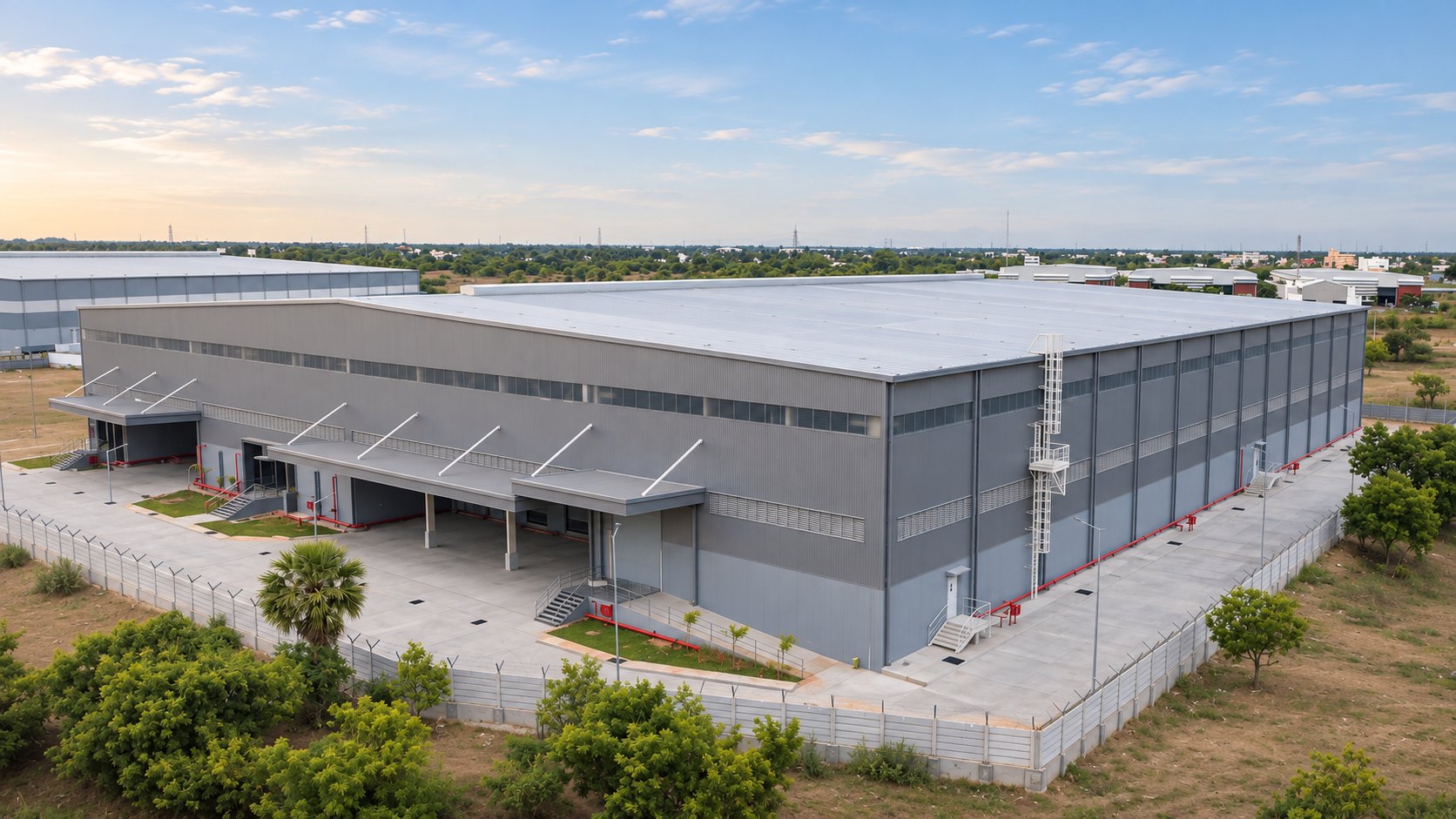
We build every park to the best specifications in the market, across every item in the table above. That includes clear heights of 11 to 12.1 m, FM2 floors rated at 5 to 6 tonnes per sq m, fire systems to National Building Code norms, dock-height loading bays, sanctioned power with generator backup, and roofs designed to carry solar. See our parks.
Common questions
What is a Grade A industrial building?
A modern, pre-engineered building with high clear height, a strong and flat floor, compliant fire safety, proper docks and full approvals.
Is there an official Grade A standard in India?
No. The term is a market convention, which is why you should check the actual specifications.
What floor load does a factory need?
Most production and storage uses are served by 5 tonnes per sq m. Heavy engineering may need more.